
Soft Washing Vs Pressure Washing: Which Is Better For Your Property's Value?

When I first started in this business, I made every rookie mistake in the book. I remember standing in front of a client's beautiful Victorian home with a pressure washer cranked up to maximum PSI, thinking more power meant better results. That day taught me a lesson I'll never forget: and it cost me a thousand dollars in damaged siding repairs.
Growing up, my Japanese mother instilled in me the principle of taking care of what you have, while my father, a Navy musician from Georgia, taught me that precision matters more than force. Those lessons didn't fully click until I became a young father myself, desperately trying to make ends meet by cleaning properties. That's when I learned that protecting someone else's investment isn't just about getting things clean: it's about preserving their property's value for years to come.
Today, when property owners ask me whether soft washing or pressure washing is better for their investment, I always start with this truth: the right choice can add thousands to your property value, while the wrong one can cost you even more.
Understanding the Two Methods
Soft washing operates at low pressure (150-300 PSI) combined with specialized biodegradable cleaning solutions. Think of it as a gentle but thorough approach that relies on chemistry rather than force. The cleaning agents do the heavy lifting, breaking down organic growth like mold, mildew, and algae at the molecular level.
Pressure washing uses high-pressure water (up to 4,000 PSI) to blast away dirt, grime, and debris. It's pure mechanical force: effective for certain applications but potentially destructive when misapplied.
The difference in approach reflects a deeper philosophy about property care. Soft washing treats your surfaces like fine fabric that needs gentle care, while pressure washing takes a sledgehammer approach that sometimes works but often causes collateral damage.
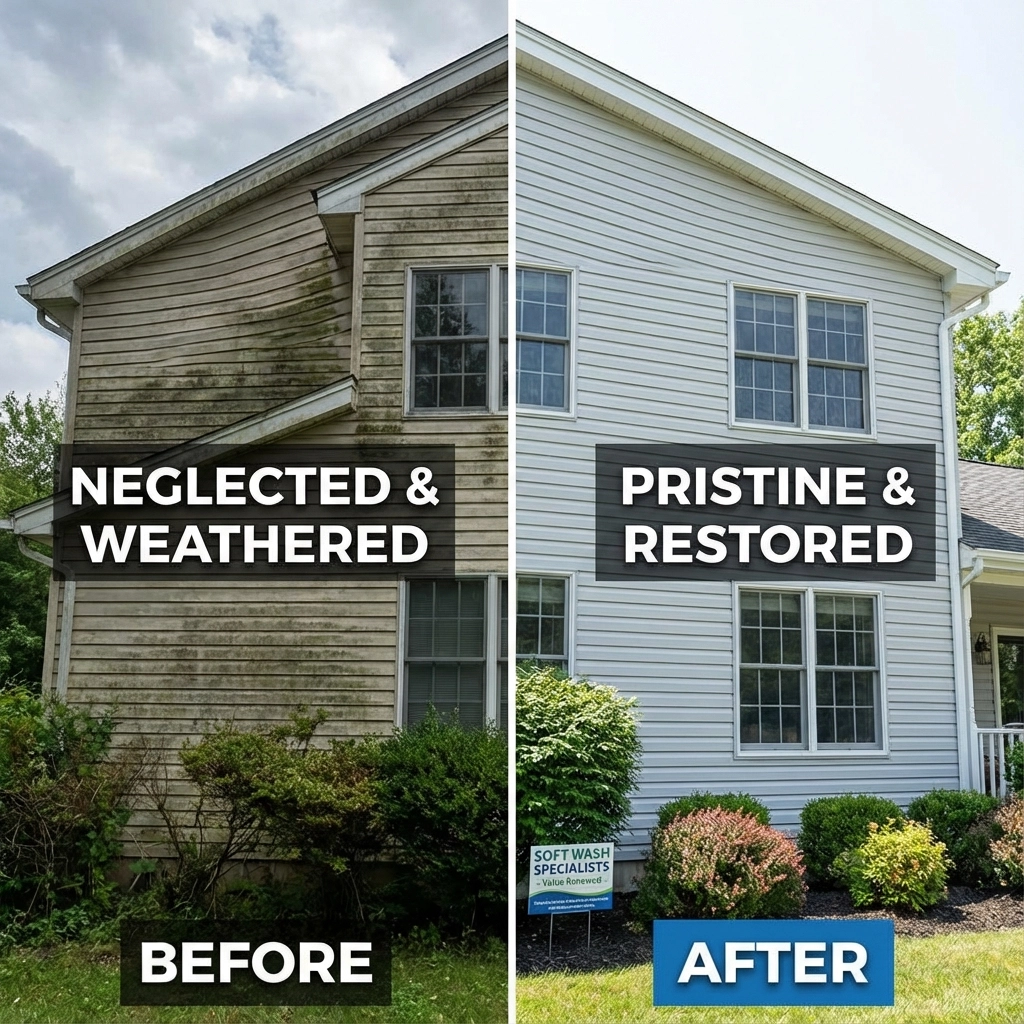
How Each Method Impacts Your Property's Value
The research is clear: soft washing typically delivers better long-term value protection than pressure washing. Here's why this matters to your bottom line.
Surface Preservation: The Foundation of Value
When I see homeowners attempting DIY pressure washing, I'm reminded of my early mistakes. High-pressure water can strip protective coatings from surfaces, leading to premature aging and expensive replacements. Wood siding, painted surfaces, roof shingles, and decorative elements weren't designed to withstand 2,000+ PSI of water force.
Soft washing eliminates this risk entirely. The low pressure preserves surface integrity while the cleaning solutions penetrate deep into porous materials, removing contaminants without mechanical damage. This means your surfaces maintain their protective barriers and continue looking newer, longer.
The Roof Factor: Your Property's Biggest Value Driver
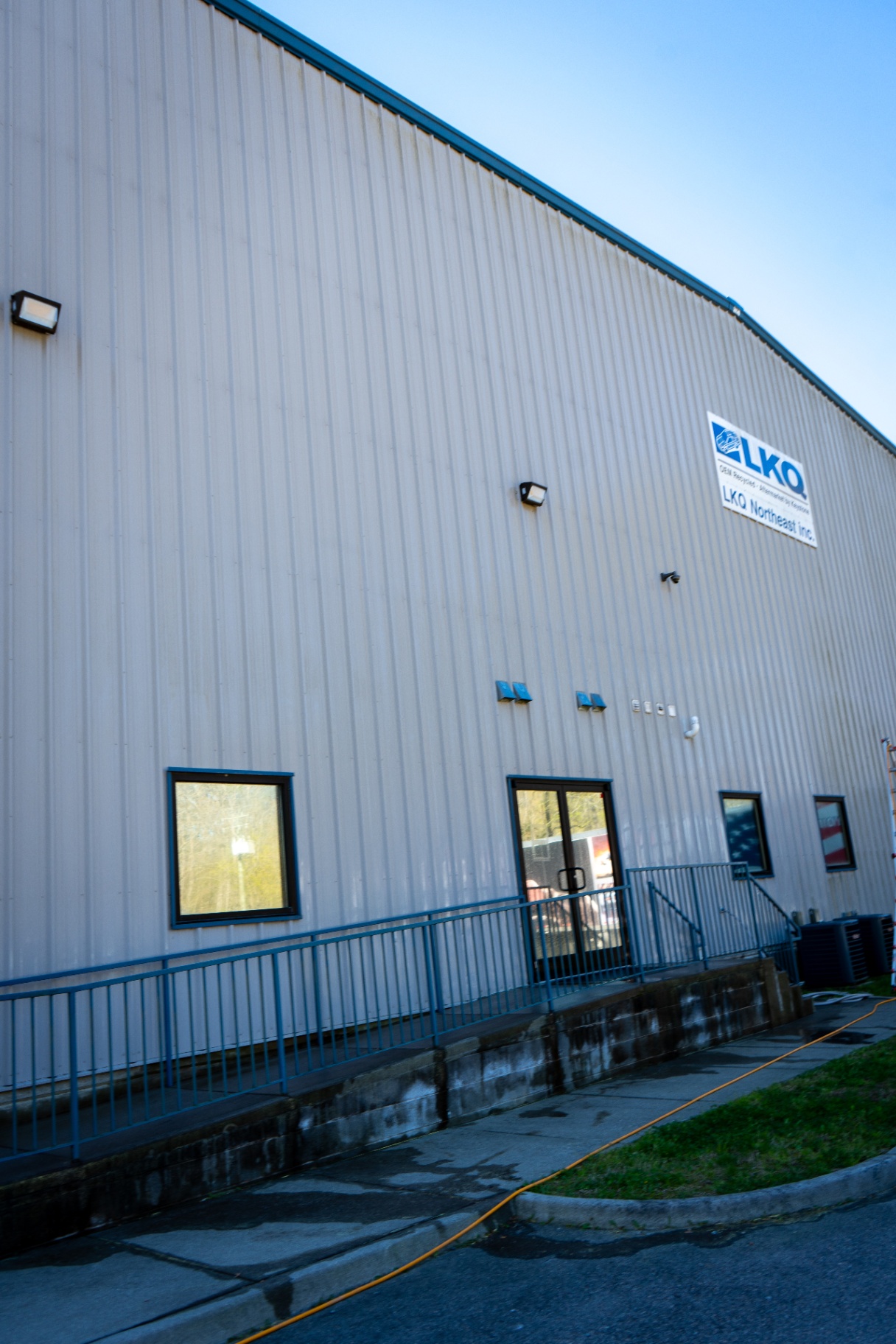
Your roof represents one of your property's most significant investments: and potentially its greatest vulnerability. I've seen pressure washing strip granules from asphalt shingles, creating weak spots that lead to leaks and premature replacement. A typical roof replacement costs $15,000-$30,000, making roof care critical to property value.
Soft washing can extend your roof's lifespan by removing harmful organic growth without physical damage. The specialized solutions eliminate moss, algae, and lichen that cause long-term deterioration. Property appraisers consistently value homes with well-maintained roofs higher than those showing signs of organic growth or pressure washing damage.
Long-term Cost Analysis: The Real Value Story
During my early days as a father trying to build this business, every dollar mattered. I learned to think beyond immediate costs to long-term value preservation. Here's what the numbers really look like:
Soft washing advantages:
Reduces need for repainting by 2-3 years (saving $5,000-$15,000 per cycle)
Extends surface lifespan by preventing premature deterioration
Results last 2-3 times longer than pressure washing
Prevents costly damage repairs
Lower water consumption reduces utility costs
Pressure washing limitations:
May require more frequent treatments due to shorter-lasting results
Risk of damage that requires expensive repairs
Higher water consumption increases operating costs
Can void manufacturer warranties on certain materials
When Pressure Washing Still Makes Sense
Despite soft washing's advantages, pressure washing has its place in property maintenance. The key is knowing when force is appropriate and when finesse works better.
Ideal pressure washing applications:
Concrete driveways and sidewalks
Brick surfaces (with proper PSI adjustment)
Heavy-duty industrial cleaning
Preparing surfaces for painting or staining
Removing graffiti from appropriate surfaces
Soft washing excels for:
Roof cleaning and maintenance
Vinyl, wood, and composite siding
Windows and delicate trim
Painted surfaces
Stucco and EIFS systems
Pool areas and outdoor living spaces
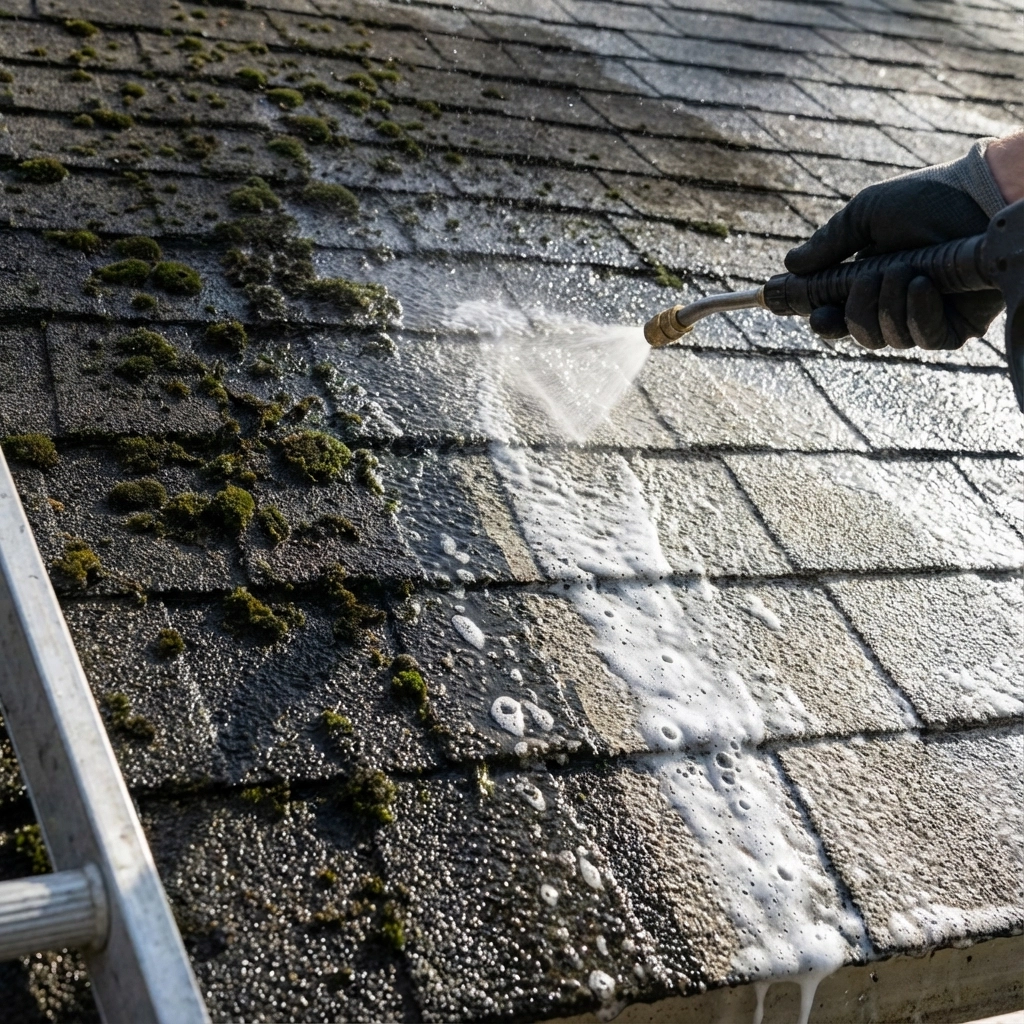
The decision often comes down to surface material and contamination type. Organic growth responds beautifully to soft washing's chemical approach, while mechanical debris may require pressure washing's physical force.
The Professional Difference: Technique and Equipment
Running Southern Royalty Service has taught me that equipment quality and operator skill matter more than the chosen method. I've invested in professional-grade soft washing systems that deliver consistent chemical application and precise pressure control: something DIY equipment simply can't match.
Professional soft washing requires:
Proper chemical mixing and application knowledge
Understanding of surface compatibility
Appropriate safety equipment and procedures
Insurance coverage for potential issues
The techniques I've developed over years of service calls aren't learned overnight. Knowing which cleaning solutions work best for specific contaminants, understanding proper dwell times, and recognizing when to adjust pressure settings: these skills protect your investment.
Environmental and Health Considerations
My mother always taught me to consider the broader impact of my actions, a lesson that applies perfectly to exterior cleaning choices. Soft washing typically uses biodegradable cleaning solutions that break down safely in the environment. The lower water consumption also reduces runoff and environmental impact.
Modern soft washing chemicals are designed to be effective against organic growth while remaining safe around landscaping when properly applied. Professional operators know how to protect vegetation and manage runoff to prevent any environmental concerns.
Pressure washing, while using only water, often requires significantly more volume to achieve results. The high-pressure spray can also disturb lead paint on older homes, creating health hazards that soft washing avoids.
Making the Right Choice for Your Property
After years of cleaning everything from historic homes to modern commercial buildings, I recommend starting with this simple framework:
Choose soft washing when:
Property value preservation is the primary goal
Surfaces include delicate materials or painted finishes
Organic growth (mold, mildew, algae) is the main concern
Long-lasting results matter more than immediate cost
Environmental impact is a consideration
Consider pressure washing when:
Dealing with concrete, brick, or other durable surfaces
Mechanical debris removal is the primary need
Preparing surfaces for refinishing
Budget constraints require the lowest upfront cost
The Investment Perspective
As someone who learned business through necessity rather than privilege, I understand that every property maintenance decision involves balancing cost and value. Soft washing typically costs 20-40% more upfront than pressure washing but delivers 2-3 times longer-lasting results and prevents damage-related expenses.
When you consider that exterior cleaning affects curb appeal, material longevity, and overall property condition, the mathematics become clear: soft washing's property value protection usually justifies the additional investment.
For most property owners, the question isn't whether to clean their exterior surfaces: it's whether to choose the method that protects their investment or the one that might compromise it. Having learned these lessons through experience, both successful and painful, I consistently recommend the approach that preserves value rather than the one that simply moves dirt around.
The choice between soft washing and pressure washing ultimately reflects your priorities: quick results or lasting value protection. For property value preservation, soft washing wins every time.
Comments